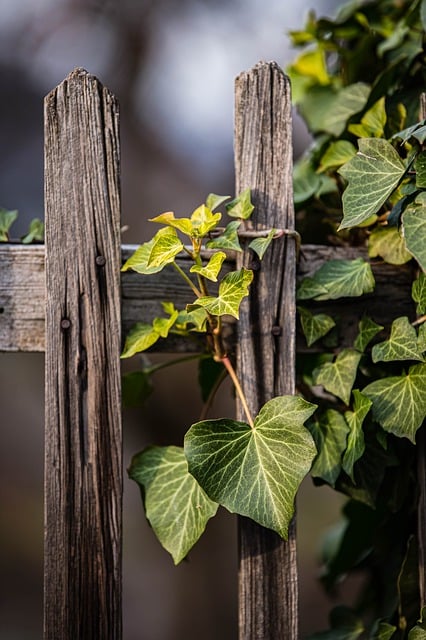
In New Bedford, Massachusetts, where the seasons dramatically shift, proper fence maintenance is crucial to preserving your property’s investment. This comprehensive guide navigates the critical components of seasonal fence care, from understanding the unique climate to specific maintenance practices for each season. By following these recommendations, homeowners can ensure their fences remain robust and attractive year-round, enhancing curb appeal and structural integrity.
- Understanding New Bedford's Seasonal Climate
- Pre-Spring Preparation Checks
- Spring Cleaning and Fence Inspection
- Summer Maintenance Tips for Longevity
- Autumn Leaves and Fence Care
- Winterization for Enhanced Protection
Understanding New Bedford's Seasonal Climate
New Bedford, Massachusetts experiences four distinct seasons, each with its unique weather patterns. The summer months are warm and humid, while winters can bring cold temperatures and significant snowfall. These seasonal changes directly impact outdoor structures, particularly fences. Understanding the climate is crucial for homeowners to implement effective maintenance strategies.
During the warmer seasons, regular cleaning and inspection are vital. This includes removing debris like leaves and twigs that may accumulate over the winter. In preparation for colder weather, a thorough review of the fence’s integrity is essential. Any damaged or weakened sections should be repaired promptly to prevent further deterioration due to frost and ice.
Pre-Spring Preparation Checks
Before the spring season arrives, it’s crucial to conduct thorough checks and maintenance on your fence to ensure it’s in optimal condition. Start by inspecting the fence for any signs of damage, such as broken or missing pickets, rot, or loose posts. These issues can compromise the structural integrity of the fence, so repair or replace any faulty components as needed. New Bedford’s unpredictable weather patterns may cause fences to shift over winter, so ensure all posts are securely fastened and level.
Consider treating wooden fence parts with a high-quality preservative to protect against moisture and insects. This step will extend the life of your fence and prevent premature deterioration. Additionally, clean the fence thoroughly, removing any debris or dirt that has accumulated over the cold months. A fresh coat of paint or stain can also enhance the fence’s aesthetic appeal and provide extra protection from environmental elements.
Spring Cleaning and Fence Inspection
With the arrival of spring, it’s time to bid farewell to the cold and welcome warmer days. For New Bedford homeowners, this is also an excellent opportunity to kickstart fence maintenance. The first step is a thorough cleaning and inspection. Start by removing any debris, such as leaves and twigs, that have accumulated over the winter. This process allows for a clear view of your fence’s overall condition. Check for any signs of damage, including cracked or rot-affected wooden posts, loose panels, or bent rails. Regularly inspecting your fence enables you to catch potential issues early, ensuring minimal repair work is required later.
During this time, you can also power wash the fence to remove stubborn dirt and grime, restoring its appearance. Remember, a clean fence is not just aesthetically pleasing; it also ensures better performance and longevity. After cleaning, apply fresh coatings of paint or sealant to protect wooden components from the upcoming summer season and beyond.
Summer Maintenance Tips for Longevity
During the summer months, New Bedford’s warm weather can accelerate fence deterioration if proper maintenance isn’t prioritized. Regular cleaning is key; use a pressure washer or stiff brush to remove dirt, algae, and moss buildup on the fence structure. Check for loose or damaged boards and replace as needed. Applying a fresh coat of paint or sealant every couple of years protects against rot and maintains color, ensuring your fence remains a striking feature of your property.
Additionally, ensure proper drainage around the fence to prevent water damage. Inspect and clear any obstructions in drainage channels or troughs to avoid pooling water, which can weaken wooden posts and boards over time. Regular maintenance during the summer months will contribute to a longer-lasting, aesthetically pleasing fence for your New Bedford property.
Autumn Leaves and Fence Care
As autumn arrives in New Bedford, Massachusetts, it brings with it a beauty that can be a double-edged sword for fence owners. The vibrant foliage is a sight to behold, but as leaves fall, they can quickly accumulate and cause potential issues for fences. Regular cleaning and maintenance are essential during this season. Remove any fallen debris promptly to prevent water from becoming trapped, which can lead to rotting and damage over time.
A well-maintained fence not only enhances the curb appeal of your property but also ensures its longevity. In preparation for winter, consider a deep clean and treatment to safeguard against environmental factors. This includes sweeping or blowing away leaves and twigs, scraping off any built-up gunk, and applying a fresh coat of paint or sealant if needed. By taking these steps, you’ll ensure your fence is in tip-top shape and ready to withstand the changing seasons.
Winterization for Enhanced Protection
As winter approaches New Bedford, Massachusetts, it’s crucial to prepare your fence for the cold season ahead. Winterization is an essential step in ensuring your fence receives the protection it needs to withstand harsh weather conditions. One of the primary concerns during this time is preventing water damage, as frozen ground and melting snow can exert significant pressure on wooden fences.
Start by cleaning your fence thoroughly, removing any debris or leaves that might trap moisture. For wooden fences, apply a fresh coat of waterproof sealant or paint to create an extra barrier against the elements. This step is vital, especially for older fences, as it fills in cracks and prevents water from seeping in and causing rot or decay. Additionally, ensure all hardware, such as nails and screws, are tight to avoid any movement that could weaken the structure.