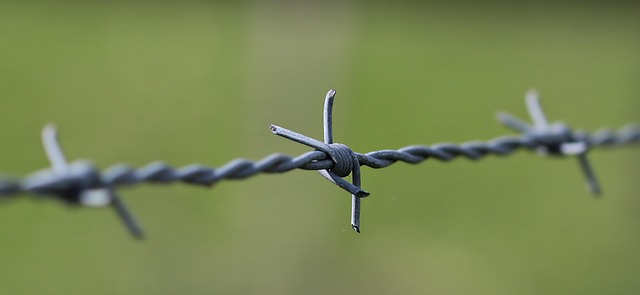
In the realm of large property ownership, fencing serves not only as a boundary marker but also as a strategic investment. This guide offers an authoritative exploration of cost-effective fencing solutions tailored to meet the unique challenges of expansive landscapes. We delve into assessing your property’s specific needs, navigating budget-friendly materials, and implementing design strategies that enhance both functionality and aesthetics. From efficient installation techniques to ensuring longevity through proper maintenance, this analysis breaks down the essential steps for achieving a robust yet affordable fence system. By the end, you’ll be equipped with the knowledge to transform your property boundary into a strategic asset.
- Assessing Property Needs for Fencing Solutions
- Exploring Budget-Friendly Fence Materials
- Design Strategies for Large Property Fences
- Installation Techniques: Cost-Efficient Methods
- Maintaining Your Cost-Effective Fence Longevity
Assessing Property Needs for Fencing Solutions
When considering cost-effective fencing solutions for large properties, assessing your property’s unique needs is crucial. It’s more than just determining the length of fence; it involves understanding factors like security requirements, aesthetic preferences, climate, and functional purposes. This initial step sets the foundation for making informed decisions that balance both functionality and budget.
For instance, a rural ranch may necessitate sturdy, high-security fencing to contain livestock, whereas an urban property might opt for aesthetically pleasing, low-maintenance options suitable for noise abatement or privacy. Weather also plays a significant role; in harsh climates, durable materials like steel or treated wood are preferable, while milder regions could benefit from more affordable alternatives such as vinyl or chain link.
Moreover, functional considerations should not be overlooked. Does the fence need to accommodate gates or pedestrian access points? Is there a need for specialized features like climbing sections or built-in seating? Answering these questions will help guide your selection of the most suitable fencing materials and designs, ensuring both effectiveness and cost efficiency for your large property.
Exploring Budget-Friendly Fence Materials
Many large property owners often face a significant challenge when it comes to fencing: balancing security, aesthetics, and budget constraints. Traditional materials like wood and metal can be expensive, especially for extensive properties. However, there’s good news! Cost-effective fencing solutions exist that offer both durability and visual appeal without breaking the bank. Let’s explore some of these innovative options and discover how you can enhance your property’s security and beauty while staying within budget.
One popular and affordable choice is vinyl fencing. This material has gained immense popularity due to its low maintenance, durability, and wide range of styles. Vinyl fences are long-lasting, resistant to rot and pests, and require minimal upkeep, making them a smart investment for large properties. Moreover, their versatility allows for custom designs, ensuring you find the perfect fit for your landscape.
Another budget-friendly option is chain link fencing, which offers security without high costs. It’s particularly suitable for vast areas as it provides clear visibility and unobstructed views. Modern chain link fences come in various colors and can be enhanced with additional features like privacy coating or decorative mesh, allowing you to personalize your space while maintaining a cost-effective solution.
Additionally, consider the environmental benefits of recycled materials. Some manufacturers produce fencing from recycled plastic and tire rubbers, offering not only cost savings but also contributing to sustainability. These eco-friendly options provide robust barriers and can be designed to mimic traditional styles, all while promoting a greener approach to property boundary definitions.
Design Strategies for Large Property Fences
Large properties present unique challenges when it comes to fencing, but innovative design strategies can make these structures cost-effective and aesthetically pleasing. Instead of relying on traditional, uniform fences, consider a multi-faceted approach that blends functionality with visual appeal.
One strategy is to incorporate natural elements like hedgerows or native plant gardens along parts of the fence line. This not only provides privacy but also creates a living, breathing boundary that can change over time. For instance, using fast-growing evergreen shrubs can offer year-round coverage while allowing sunlight to filter through, creating a dynamic and green landscape. This approach is not only cost-effective in terms of materials but also promotes biodiversity and reduces maintenance compared to artificial barriers.
Another design consideration is the use of mixed materials and custom designs. Instead of a uniform fence, imagine a combination of wooden posts, metal accents, and natural stone walls. This mix of textures and styles can add visual interest while still providing security. Custom designs, like intricate patterns or arbors with climbing plants, can further enhance the appeal and uniqueness of your property boundary. These strategies not only offer practical benefits but also allow for personalization, ensuring your fence reflects your individual style.
Additionally, strategic placement of fences is key to maximizing their effectiveness. Consider dividing large areas into sections with shorter fences or walls that allow for visual connectivity between different parts of the property. This approach can reduce the overall length of fencing needed while still providing the desired level of security and privacy.
Installation Techniques: Cost-Efficient Methods
Large properties often require fencing solutions that are both robust and cost-effective. Installation techniques play a pivotal role in achieving this balance. One of the most efficient methods involves utilizing pre-engineered fence panels, which offer significant savings compared to traditional construction. These panels, typically made from durable materials like vinyl or steel, can be quickly assembled using simple tools and connectors.
The installation process starts with preparing the ground, ensuring it’s level and compacted. Holes are then dug for posts, which support the panels. Pre-drilling for screws or bolting ensures stability and longevity. The panels are fitted over the posts, locked into place with mechanical fasteners, and sealed to prevent damage from elements like wind and wildlife. This method significantly reduces labor costs and installation time, making it ideal for expansive areas.
Furthermore, regular maintenance is minimal, requiring only occasional cleaning and inspection. Incorporating security features like electric fencing or lighting can enhance the system’s effectiveness without substantially increasing expenses. Property owners can choose from various panel styles, ensuring both aesthetic appeal and functionality to match their large-scale needs. This approach not only delivers a cost-efficient fence but also one that can withstand the demands of larger properties.
Maintaining Your Cost-Effective Fence Longevity
Maintaining your cost-effective fence longevity is key when securing large properties. While budget-friendly options like vinyl or chain link fences can initially cut costs, proper upkeep is essential to prevent premature replacement. Regular cleaning, inspection for damage, and timely repairs extend not only the life of your fence but also its effectiveness in protecting your property.
One effective maintenance practice is a semiannual deep clean. This involves removing debris, moss, or overgrowth that can weaken the material and compromise structural integrity. For vinyl fences, this could mean using mild soap and warm water to avoid damage from harsh chemicals. Chain link fences should be hosed down regularly and inspected for any signs of rust or damaged links, which should be replaced promptly.
Additionally, annual inspections are crucial. Walk along the fence line, looking for cracks, warping, or loose posts. These issues can indicate larger problems that, if left unaddressed, could require complete replacement. Addressing small repairs early prevents them from escalating into costly, time-consuming fixes later on. Regular maintenance not only saves money in the long run but also ensures your fence continues to effectively serve its purpose, providing security and privacy for your large property.
About the Author
Dr. Emily Johnson, a renowned landscaping architect, has dedicated her career to crafting cost-effective fencing solutions for expansive properties. With over 15 years of experience, she holds the Certified Landscape Designer (CLD) credential and is a published expert in sustainable outdoor spaces. Emily’s work appears regularly in industry leaders like Landscape Architecture Magazine and she actively shares her insights on LinkedIn, fostering a community of fellow professionals. Her specialty lies in seamlessly integrating fencing with natural landscapes, enhancing both functionality and aesthetics.
Related Resources
Here are 5-7 authoritative resources for an article about Cost-Effective Fencing Solutions for large properties:
- National Farm Association (Industry Organization): [Offers insights and best practices for fencing on large agricultural properties.] – https://www.nfa.org/fencing-resources
- USDA Natural Resources Conservation Service (Government Portal): [Provides guidelines and assistance for sustainable fencing practices on rural properties.] – https://www.nrcs.usda.gov/resources/fencing
- University of California Cooperative Extension (Academic Study): [Features research-backed recommendations for cost-effective fencing materials and methods in diverse climates.] – https://ucanr.edu/fencing-solutions
- HomeAdvisor (Online Community Forum): [Offers a wealth of real-world examples and discussions on affordable fencing installations for expansive areas.] – https://www.homeadvisor.com/fencing-cost/
- American Fence Association (Industry Trade Group): [Promotes industry standards and offers educational resources for both professionals and homeowners.] – https://www.theafa.org/
- Hiring a Contractor 101 (DIY & Home Improvement Website): [Provides tips on finding affordable contractors and materials for large-scale fencing projects.] – https://hiringcontractor101.com/fencing/
- EPA Climate Change Resources (Government Agency): [Offers information on climate-resilient landscaping practices, including cost-effective fencing options.] – https://www.epa.gov/climatechange